How to Optimize Remote Work for Small Businesses
Understanding Remote Work Optimization
Remote work has become an integral part of many small businesses, offering flexibility and increased productivity. However, optimizing remote work requires a strategic approach to ensure efficiency and employee satisfaction. By implementing a few key practices, small businesses can thrive in a remote environment.

Implement Effective Communication Tools
One of the biggest challenges of remote work is maintaining clear and effective communication. It's essential to invest in reliable communication tools that facilitate real-time interaction. Consider using platforms like Slack, Microsoft Teams, or Zoom to keep everyone connected. These tools offer features such as video calls, instant messaging, and file sharing, making collaboration seamless.
Establishing regular check-ins and meetings can also help maintain a sense of community and ensure everyone is on the same page. Set a schedule for daily or weekly meetings to discuss progress and address any concerns.
Encourage a Healthy Work-Life Balance
Remote work can blur the boundaries between personal and professional life, potentially leading to burnout. Encourage your employees to establish a dedicated workspace and set specific working hours. This helps in maintaining a healthy work-life balance and boosts overall productivity.

Also, promote regular breaks and encourage physical activity. A quick walk or a short exercise session can rejuvenate the mind and body, making employees more focused and engaged.
Use Project Management Software
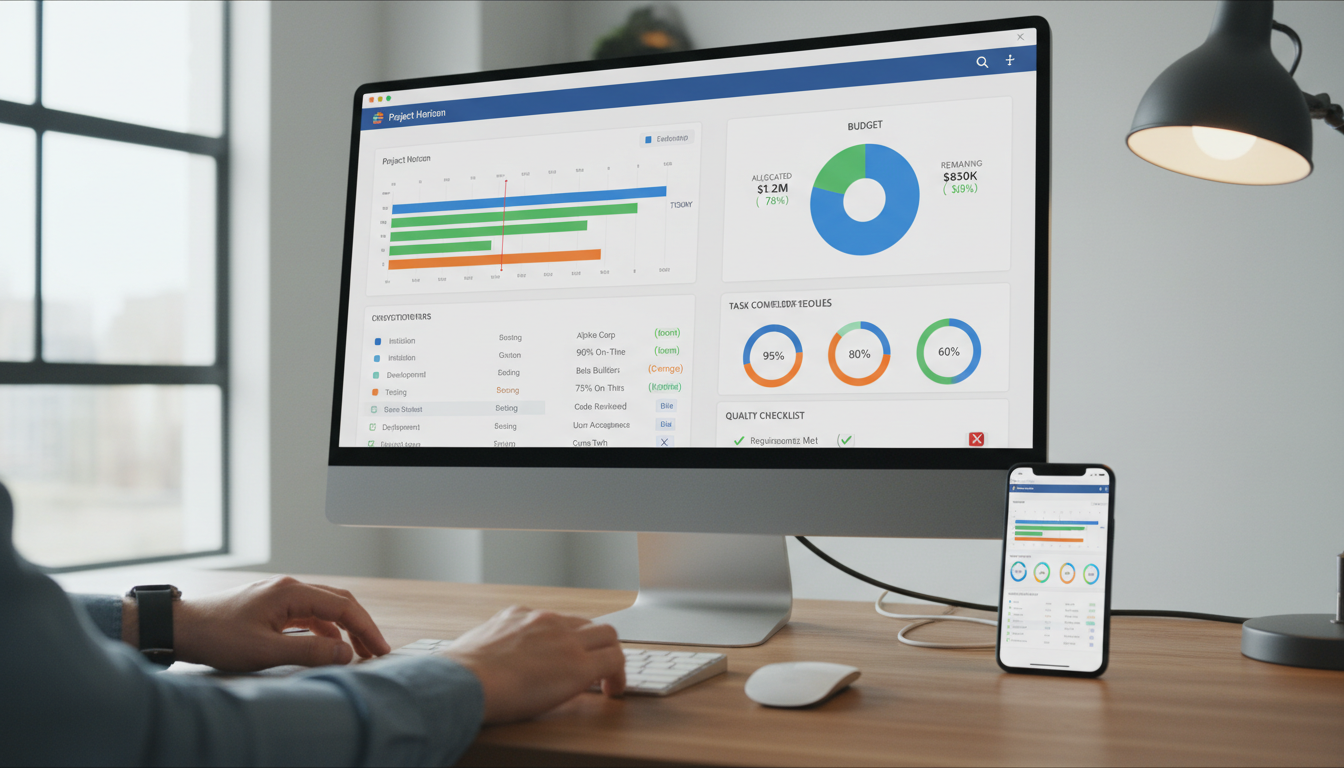
To keep track of tasks and projects, consider implementing project management software. Tools like Asana, Trello, or Monday.com allow teams to organize tasks, set deadlines, and monitor progress. This not only keeps everyone accountable but also provides transparency in workflows.
With clear visibility into projects, team members can prioritize tasks effectively and collaborate more efficiently, ensuring that deadlines are met and goals are achieved.
Foster a Strong Company Culture
Maintaining a strong company culture is crucial, even in a remote setting. Organize virtual team-building activities and encourage open communication to build a sense of belonging. Celebrating achievements and recognizing hard work can go a long way in boosting morale.
Consider creating online spaces where employees can share personal achievements, hobbies, or even casual conversations. This helps in building stronger relationships and a supportive work environment.
Provide the Right Tools and Resources
Ensure that your employees have access to the necessary tools and resources to perform their tasks efficiently. This includes reliable internet connections, laptops, and any specific software required for their roles. Providing the right support can significantly impact productivity and job satisfaction.

Additionally, offer training and development opportunities to help employees enhance their skills. This not only contributes to personal growth but also benefits the business by building a more skilled workforce.
Conclusion
Optimizing remote work for small businesses involves a combination of effective communication, balanced work-life practices, and the right technological support. By fostering a strong company culture and providing the necessary resources, small businesses can create a productive and positive remote work environment.